
2022 SPEAKERS
Zoe Morrison
Zoe Morrison
Why we say people don’t like change
How can we push past the myth that people don’t like change and engage in more meaningful conversations to help us progress collectively? Zoe Morrison draws on her professional and personal experience of both planned and unexpected change to examine our relationship with change. Stating that people don’t like change can often be viewed as an excuse to do nothing and avoid embarking on any kind of change; however, maintaining the status quo helps no-one. Can reframing change help us all move forward?
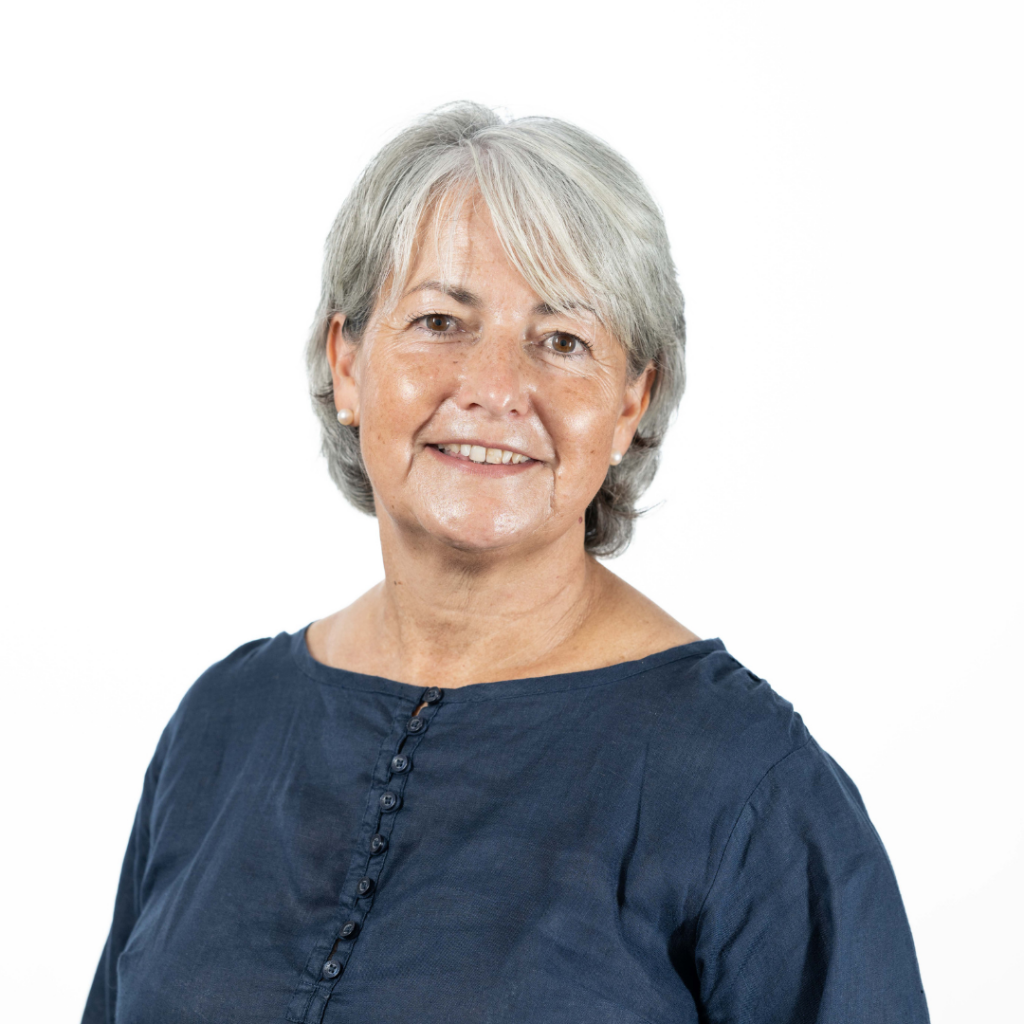
Zoe Morrison is a Professor at Robert Gordon University’s Business School in Aberdeen, Scotland. With a background in social sciences, Zoe holds a Doctor of Philosophy (PhD) in Business Administration and Management, and is an expert in behavioural and organisational change.
INTERVIEW WITH ZOE
What has made you so passionate about your chosen topic?
“As a social scientist, I have been studying individual experiences of change for about 15 years, and there has actually been no evidence found to support the idea that people don’t like it. I’m fascinated by the idea of how different people experience change and how we can actually learn from lived experiences.
“I want to talk about what we mean when we discuss change. It’s an ordering concept that we use to introduce our ideas; it’s not the same as progress. Progress is change in a desired direction and not everyone has the same idea about which way to go, but that doesn’t mean they are against change altogether. .
“It’s a myth that people don’t like change. People use it as an insult, to abdicate responsibility or blame someone else, but that’s not a helpful response and I feel that we need to create a new narrative around change . We need to change, and we need to get better and faster at changing. ’
Why is it so important for you to share this topic with a wider audience?
“There is a lot of polarisation in society about what constitutes change and what we need to be doing. For example, climate change – there are people who are desperately trying to mitigate climate change but it’s not easy. The changes we have started talking about are becoming more urgent, so I feel it’s important to open up the conversation and find a new, better way to talk about change as a concept.
“The way individuals experience change, what it means for them personally, or for other members of their family, fundamentally impacts their response to each individual change. Other external factors have a big impact on their capacity to change as well. There are many reasons why people might not have the capacity to deal with a certain change, but that doesn’t mean to say they are struggling with change in general. We need to have difficult conversations about how people are handling the changes they are facing and not use the myth of people not liking change to shut down and remain stagnant.”
“The term ‘people don’t like change’ ought to be considered as more of a red flag and my hope is that after listening to my talk, people think more carefully about change and how we can achieve it together. My aim is to push past the myth and get into a more meaningful conversation that helps us progress collectively.”
What made you want to apply to TEDxAberdeen?
“In my line of work, I speak to lots of technical people about lots of technical subjects. TEDxAberdeen gives me a platform to talk freely and to encapsulate my message to a wider audience.”
How did you feel when you found out you were chosen to be a speaker at this year’s event?
“Amazed! I set myself a growth target to audition but I hadn’t assumed that the audition would be successful. When I found out I was shortlisted, I knew I had to do it. It’s a chance to do something different, meet new people and learn new skills. It’s so refreshing and I really welcome that.”
What are you most looking forward to? And what do you wish to achieve from presenting your TEDx talk?
“It’s a journey of growth and I’m enjoying the process of discovering what that means. It’s also very validating too. Being an academic, you get used to criticism, however, it’s so inspiring to know that it’s okay to be yourself and okay to talk about something you’re passionate about.
“I value the opportunity massively. I value getting to work alongside the other speakers, and Bob and Derrick. It’s a real opportunity to be involved in a project where everyone is bringing something different and personal to the table.”
What does being part of TEDxAberdeen mean to you?
“It’s a privilege that people want to support me and help me convey my views in an engaging and interesting way. It’s also a privilege to share the space with all the speakers. The diversity of the speakers is a real reflection of our community and this is a chance to contribute to that community. After the difficulty of the last couple years with the pandemic and everything, this feels like a time when we should come together, share ideas and re-energise – and TEDxAberdeen provides us with that opportunity.”