
2022 SPEAKERS
Katie Forbes
Katie Forbes
Autism is a difference, not a disorder
What is autism and how should we talk about it? Katie Forbes discusses the detrimental impact of viewing autism as a disorder; something that needs to be fixed or cured. Katie invites viewers to look beyond such terminology and see autism for what it is, simply a difference. Not bad, nor less – just different. Katie highlights the harm of masking and the importance of working towards an inclusive future for all.
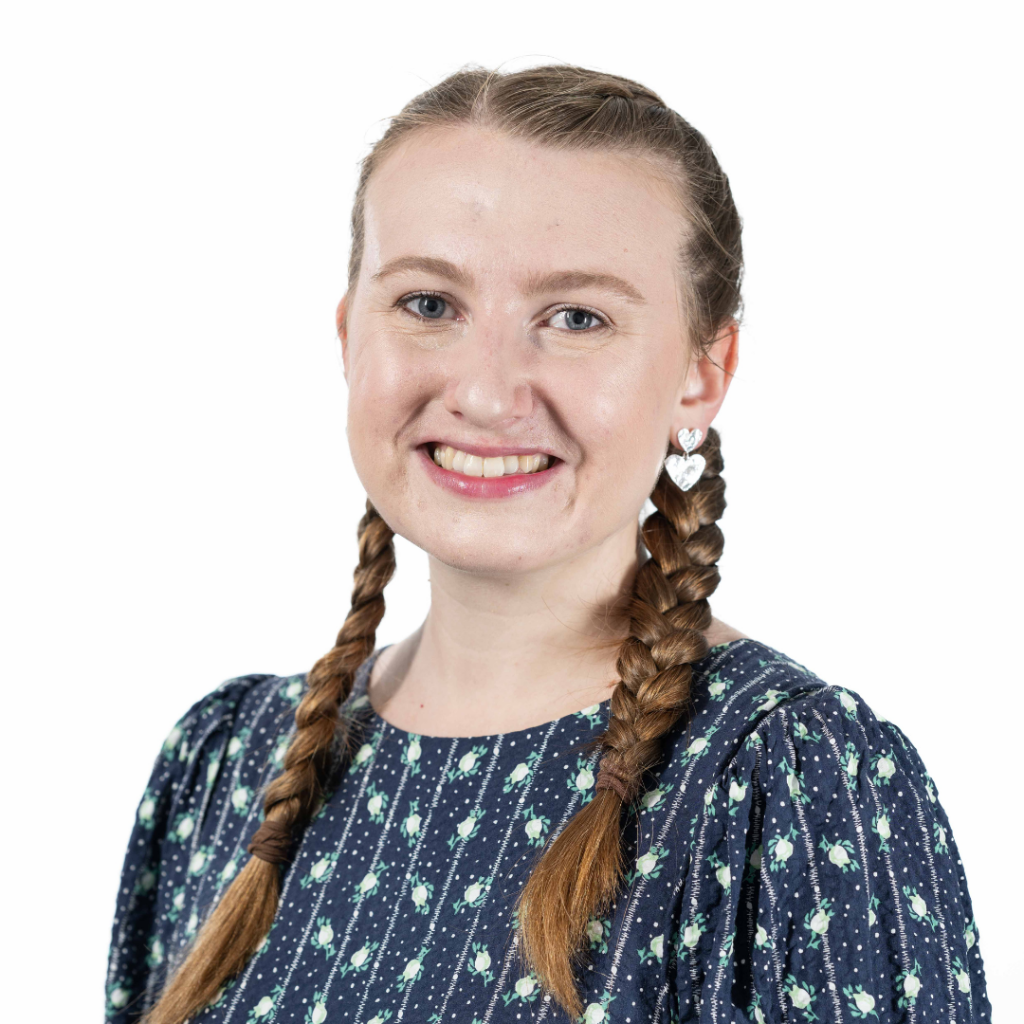
Katie Forbes is a journalist, with a background in digital and social media marketing, based in Aberdeen, Scotland. Katie currently holds the role of Engagement Producer at Reach PLC and Creative Lead of the ReachAbility committee. Katie received her autism diagnosis at the age of 11-years-old and is proud to be neurodivergent. Katie is Founder and Director of Autistic Flair, an online community and resource hub dedicated to amplifying autistic voices and working towards an inclusive future for all. Through her website and Instagram page, Katie is well-established as an advocate for the autistic community.
INTERVIEW WITH KATIE
Your talk is called ‘Autism is a difference, not a disorder’, can you describe this in more detail and share a bit about the inspiration behind it?
“When I was diagnosed autistic at the age of 11, my parents were led to believe I wouldn’t lead a normal life. The doctors basically told my parents that I would probably have to live with them for the rest of their lives, and it was assumed that I wouldn’t be able to grow up and have a job like ‘normal people’. It was almost ingrained in me and my parents that autism is a bad thing, something you should want to fix or wish away.
“During school, I really struggled and didn’t seem to get much support. Despite having a formal diagnosis of autism and dyslexia, teachers believed that I was coping ok with it, as I did not show any inherent signs of struggle on the outside, so I was kind of just left alone.
“Fast forward 17 years and I now have my own house, I am married and have a career that I love. Everything the doctors said now seems like scare mongering, because it didn’t turn out to be the case at all. I believe autism is purely a difference, the only difference being that our brains are wired a bit differently. Autistic people experience the world differently than their peers, but that’s not a bad thing. It’s just about trying to understand that everyone works a bit differently and be accepting of that.”
What has made you so passionate about this topic and how does it relate to your background?
“During the early point in my career, there was no such thing as flexible working – or it was very rare if there was. You either had to follow the company’s way or leave your job, there was no accommodation for people like me. People who are autistic tend to have sensory difficulties, they can get overwhelmed by bright lights, loud noises and find it quite difficult working with people constantly. I am lucky that I have the ability to mask my autism, so I was able to pretend to be this person they wanted me to be, but that meant I was coming home absolutely exhausted each day.
“After working my way up the career ladder, I got into a job which had a diversity inclusion group. They were really keen to learn about their employees and be a bit more flexible in the way they’re working with them, whether that be working from home, office working or even letting you use noise cancelling headphones. That’s when I finally felt comfortable telling people ‘this is how I would like to work.’
“I’ve been very lucky that the last couple of workplaces have been really flexible and wanted to learn more about how they can support me. That’s when I really began talking about it more in my day to day life and online, I created my own website and Instagram page to share my experiences as an autistic person. I think this journey I’ve been on – going from quite an overwhelming working environment to one that was very accommodating – has made me even more passionate about opening up and sharing my story and experiences.”
Why is it so important for you to share this topic with a wider audience and what do you think they will gain?
“Even though I’m very lucky and found a company that is more accepting, I know there are still lots of people who are autistic and want to be working but they can’t. They face multiple barriers because companies don’t have the right infrastructure in place to support their needs.
“Often when I speak to people and ask them what comes to mind when they think of an autistic person, they tend to speak about Rain Man or Sheldon from The Big Bang Theory – these sort of stereotypes. Autistic people are still human beings – it’s not a ‘one size fits all’ thing.
“I wanted to do this to start a conversation, to help change society’s perception of autism and break down the stereotypes around it. Whether it’s a friend, family member or someone new, it’s about being able to gain a better understanding of autism.”
What drew you to apply for TEDxAberdeen 2022 and how did it feel finding out you made the shortlist?
“I applied because I felt excited about spreading the word of autism to a really wide audience, not just in my local community. I was also very keen to improve my storytelling and knew that this would be the perfect opportunity to do so. When I found out I made the shortlist I was really surprised and honoured as I didn’t expect to be accepted.”
How has your TEDxAberdeen journey been so far?
“It’s been amazing to meet all the speakers and coaches in person, and to share this experience with other people. There is such a wide variety of talk topics, so it’s been fascinating to hear other people’s stories. I honestly didn’t know what to expect coming into this which meant I was coming in very open-minded. I’ve enjoyed the first couple sessions and I’m looking forward to learning more as the process progresses.”
What are you most looking forward to on this journey, and what are you hoping to get out of it?
“I’m looking forward to building my confidence around speaking in a room full of people and I believe that honest feedback is so valuable in helping me do that. I really value any kind of feedback, regardless of whether it’s positive or constructive criticism. What I hope to gain from this process for myself is getting that constructive feedback and learning to become a better speaker.”
What does being part of TEDxAberdeen 2022 mean to you?
“What does it mean to me? It feels like such a great honour to be part of this massive legacy. It’s very hard to put it all into words. I just feel very lucky to be part of the process. There is a total mix of emotions – but mainly excitement and slight nervousness!”