
2026 SPEAKERS
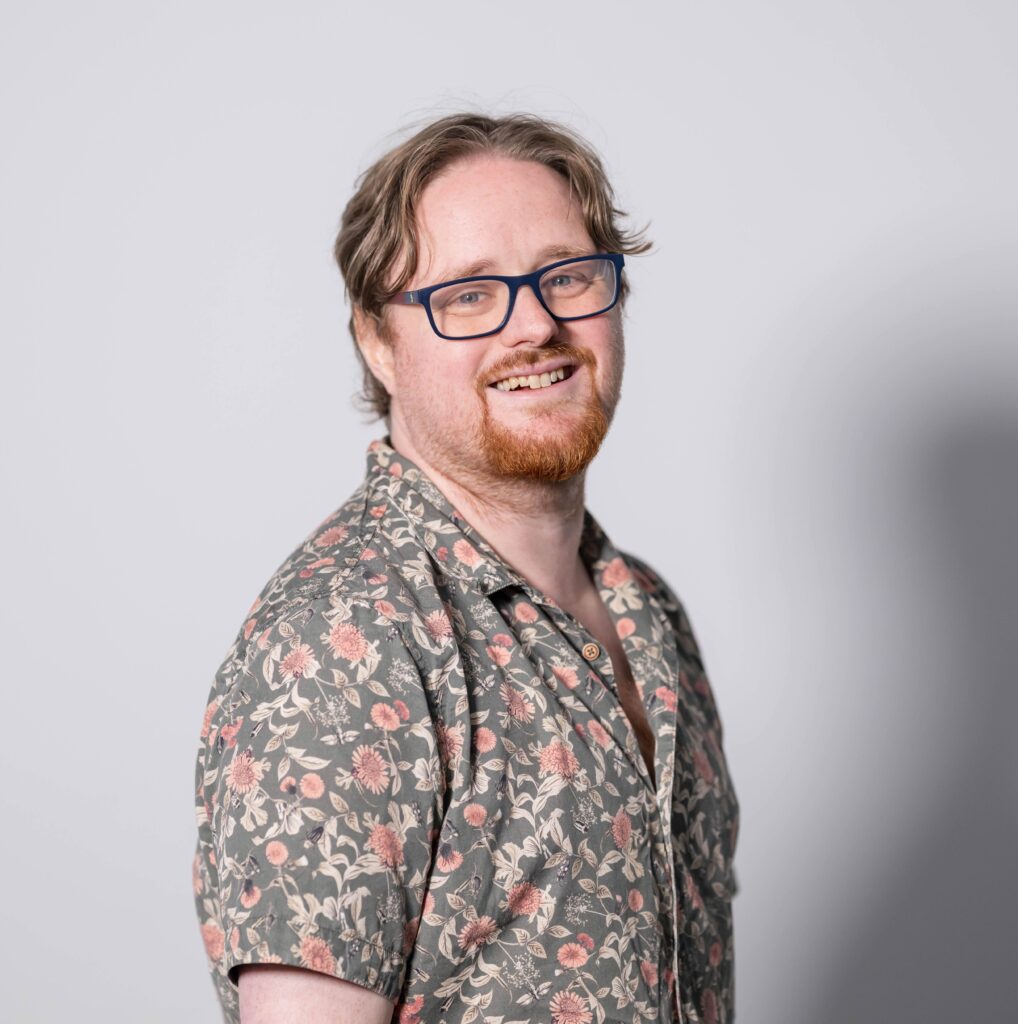
David S. Smith
David S. Smith
Understanding incel culture
For lots of young people, virginity loss can seem like the biggest thing in the world. Involuntary celibates (incels) are an online community of men who believe it won’t ever happen for them, due to a combo of modern feminism and their own inferior genes. As a movement, incels have been associated with misogyny, sexual harassment and even some instances of extreme violence.
Drawing on extensive interviews with former members, this talk reveals how common anxieties about relationships and masculinity can lead some young men towards harmful communities that claim to have the answers. Among other topics, it explores why incel culture can feel appealing to vulnerable young men and asks us to think about how we support them before they go down harmful digital rabbit holes.
INTERVIEW WITH DAVID
Your topic is called ‘Understanding incel culture’; can you describe this in more detail and share a bit about what you will be covering in your talk?
A few years ago, I began learning more about involuntary celibate (incel) communities: young men who believe they are unable to find romantic partners because of modern feminism and their own genetic inferiority. I wanted to understand why they were drawn to a movement that told them they were “subhuman”, so I interviewed men who joined and later left to learn what attracted them, why they stayed, and how they can be helped to leave. My talk looks at this process.
What has made you so passionate about this topic? How does it relate to you or your background?
I’ve been interested in psychology since I was a teenager, and, in particular, why people pursue causes that are against their best interests. As an educator, I care a lot about the mental health crisis facing young people and have heard a lot of stories over the years from students about themselves or others they know who have gone down dark internet rabbit holes. I find inceldom fascinating and worrying because it’s one of the few online identities built around a sense of inferiority. Yet, paradoxically, believing they’re inferior can also provide members with comfort and a sense of belonging – at least in the short term. My teenage years were a long time ago, but I remember how awkward discussing topics around sex and relationships could be. So I was interested in inceldom as an extreme version of concerns many of us had about fitting in, approaching partners, and comparing ourselves to others.
What do you think people will gain from listening to your talk?
One of my main goals is to offer an empathetic look at a community many people don’t have much empathy for: incels. This isn’t about downplaying the unpleasant aspects of these communities, or their links to violence, but exploring what brings young men into it. For me, it is what the day’s theme of Minds Wide Open really means – seeing something differently. I hope audiences will better understand online radicalisation and the increasingly complex digital world young people are accessing through their phones. I want them to gain an understanding of how young people are finding meaning through online communities, and how these spaces can lead to violent, hateful thoughts about women and themselves. I also want them to feel more confident speaking to the young people in their lives about things like relationships, masculinity and self-esteem. Because if they’re not having these conversations offline, they could still be having them online.
How has your TEDxAberdeen journey been so far? Is there anything you’ve learned that you didn’t expect, or any highlights?
I’ve loved it. It’s been hard work, but it’s important to trust the process and not take feedback personally. The journey has pushed me to think about getting to the point. Something we’ve repeatedly talked about is ‘powerwashing’: cutting to the chase and telling a complex story in less than 18 minutes. As a lecturer, I’m used to speaking about topics for an hour at a time. But this has taught me to say more with less and to really focus on what matters the most. In this case, I don’t just want to do a talk about incels. I want to explore what it’s like for people to be incels.
What are you most looking forward to most on this journey? What are you hoping to get out of this?
By the end, I hope to have a talk that people can watch, share, and use as a starting point for initiating those difficult but important conversations. I want to have a video that helps parents, teachers, practitioners, or young men better understand risks associated with incel culture.
What does being part of TEDxAberdeen 2026 mean to you?
Throughout the training, I’ve learned so much about public speaking and connected with so many fascinating speakers; it’s been one of the most rewarding experiences of my life. It also feels like a way to round off four years of research by sharing it with a big audience through one of the best-known platforms in the world.